15
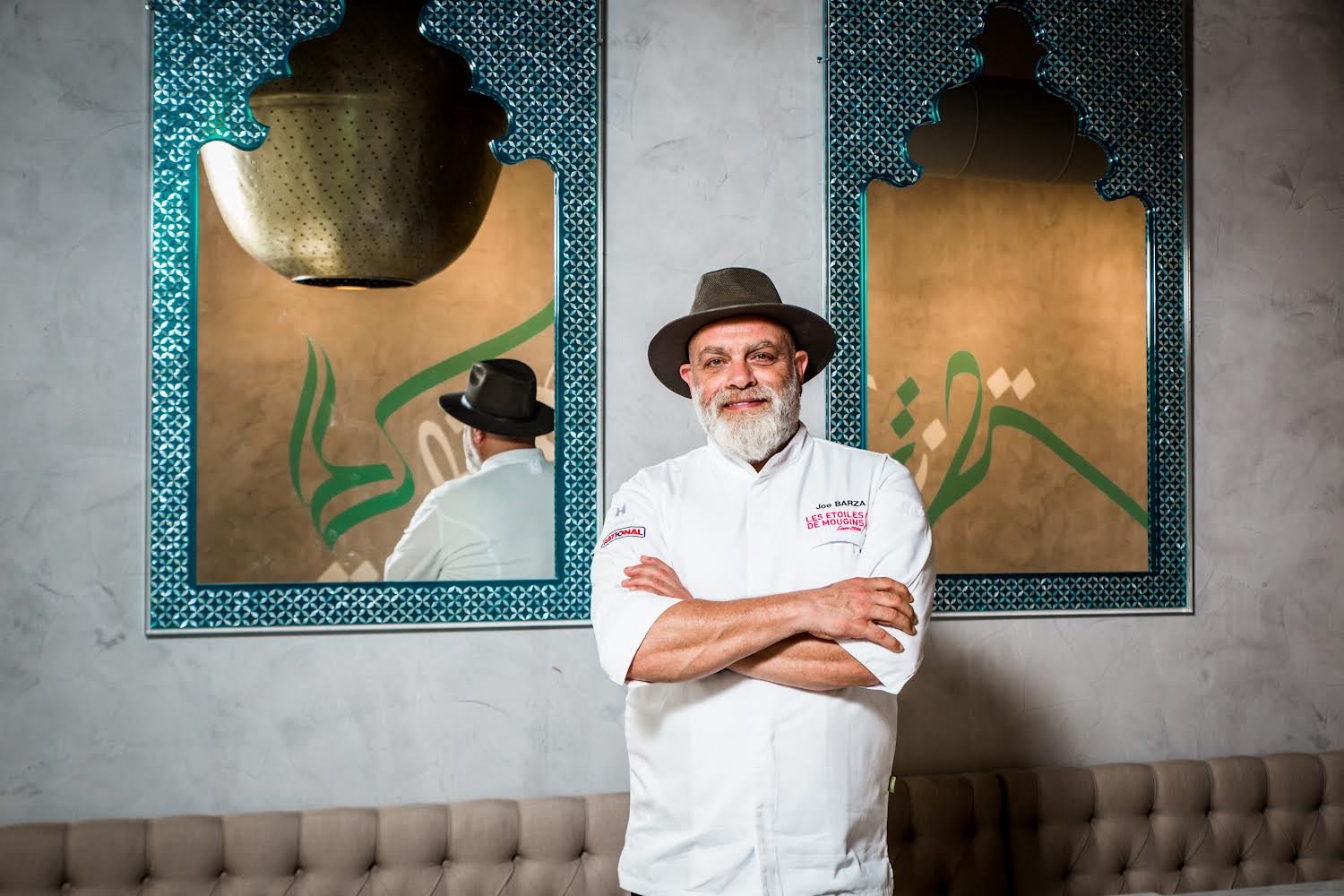
With nearly four decades in the kitchen, Lebanese chef Joe Barza has built a career rooted in passion, tradition and a deep respect for Lebanese ingredients. As a chef and international consultant who has helped open restaurants around the world, Barza remains guided by the flavors and memories of home. From his childhood in South Lebanon to his ongoing work promoting local products, his philosophy is simple: honor the ingredients and stay connected to your roots.
I started working in kitchens in 1986, so it has been almost 40 years now. At first, I never imagined I would become a chef. Like many young cooks, my goal was simply to master the basics — learning how to prepare sauces like béchamel and hollandaise and understanding the foundations of cooking. Over time, I realized that following only that path would not define who I was as a chef. I needed something deeper, something that connected me to my own culture.
Since 2003, my work has focused on exploring the richness of our traditional ingredients and techniques. Lebanese food is incredibly diverse, and the more I learned, the more I discovered its depth. For me, the mission is to give value to our products — to give kishek its value, to highlight bulgur and present these ingredients in a way that respects their heritage while bringing them into modern cooking.
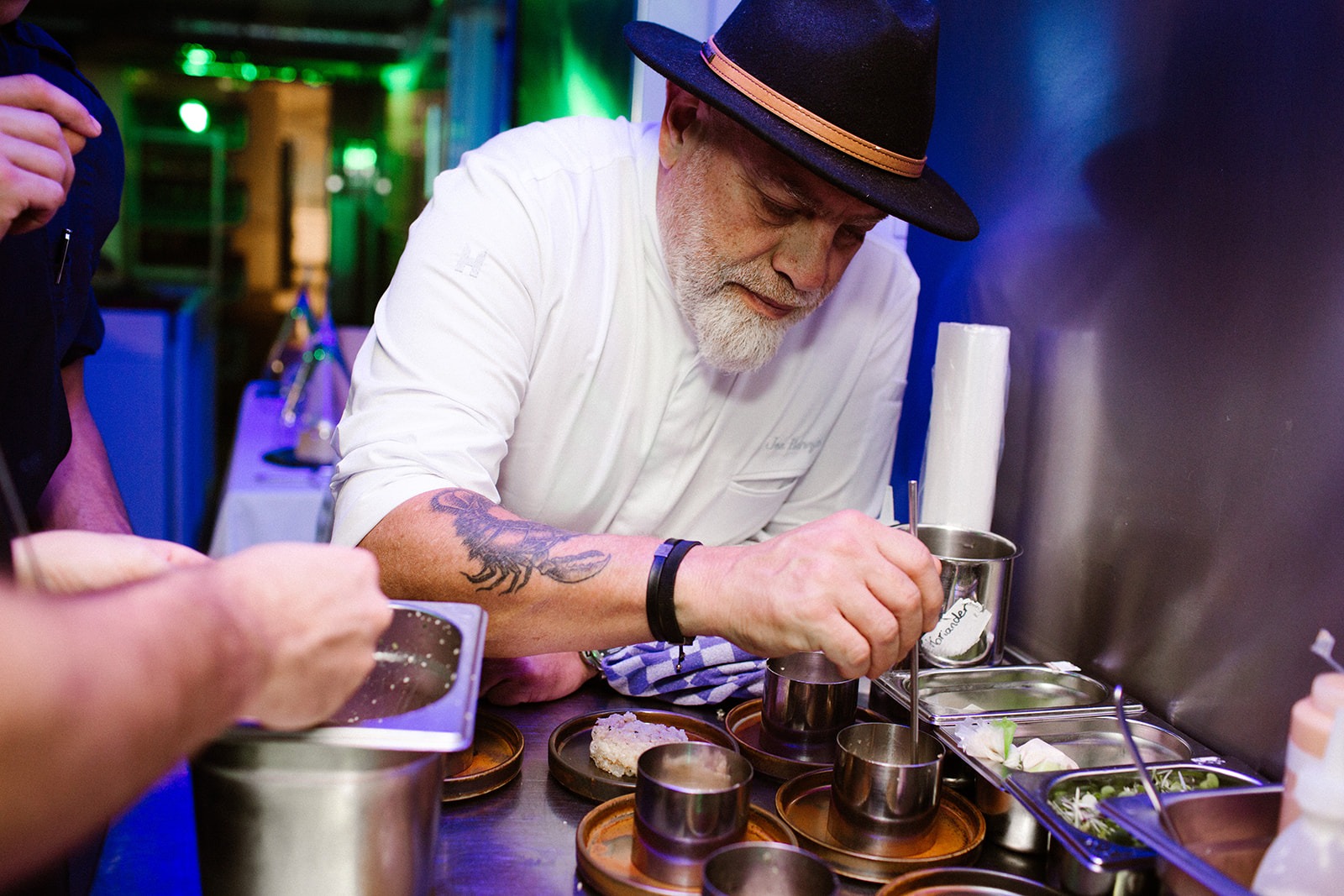
I love working with hummus, bulgur, fava beans and thyme. These are simple ingredients, but they carry generations of tradition. In fact, I love the theme so much that I even keep zaatar in my closet instead of lavender. Just a small amount leaves a beautiful aroma. These ingredients represent the creativity and knowledge of our ancestors.
Debs el kharoub (carob molasses) is undervalued in my opinion. It has incredible potential. You can use it as a glaze for meat or combine it with eggplant dishes to create deep, complex flavors. I believe we should explore it more and give it the attention it deserves.
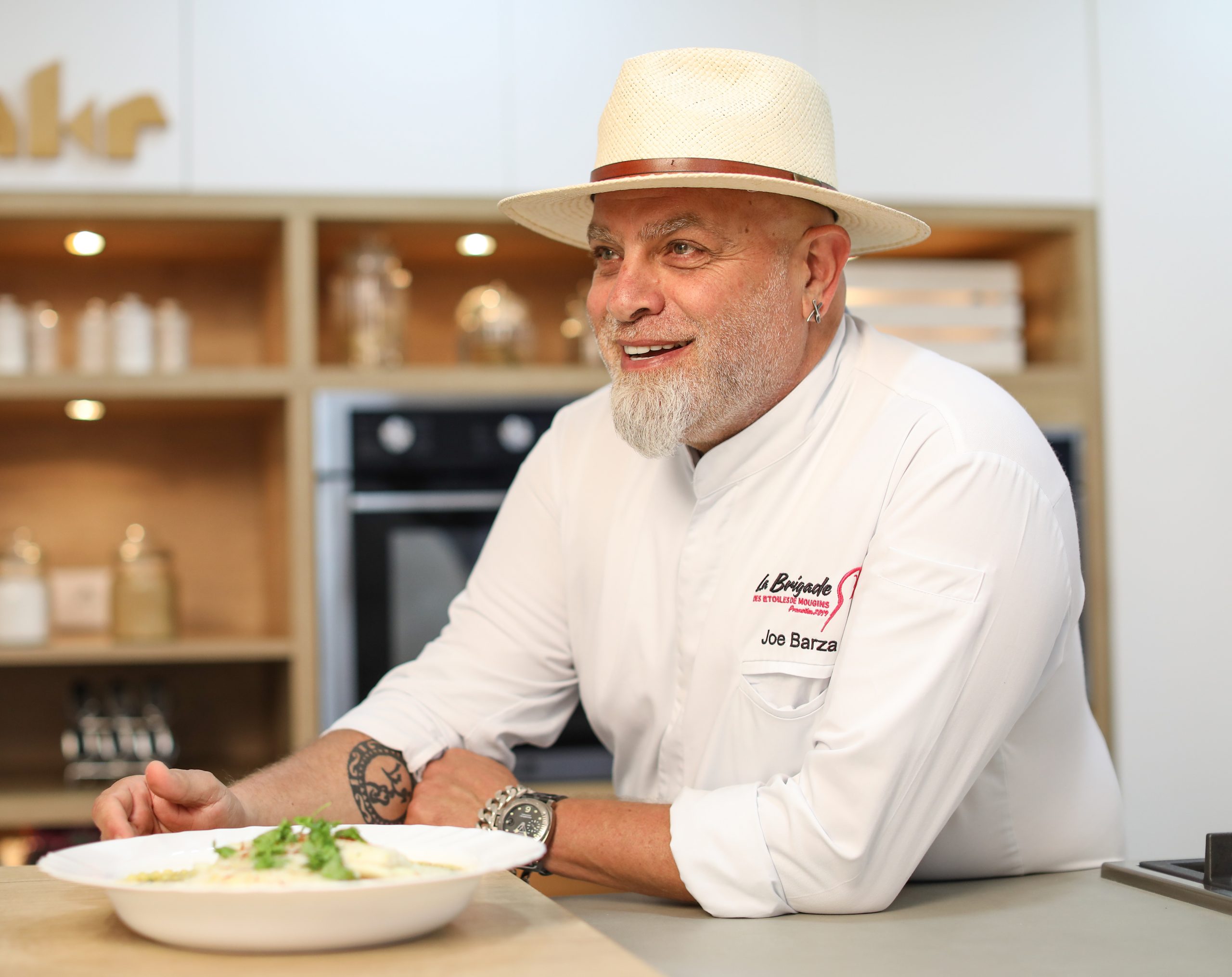
Sour is my country within the country — it holds so many memories from my childhood. My uncle, father and grandfather were all fishermen. I remember the daily life around the sea and the streets of the neighborhood. My mother would bring home the fish and prepare dishes like siyadiye. All those memories — the fishermen, the markets, the smells of the kitchen — stayed with me. They continue to inspire me today. My village is my biggest source of energy.
Every morning I wake up and thank God that we are breathing and that a new challenge awaits. Even on days without work, I go to my kitchen at home. Cooking is something that grows with me every day. I never close my door to new ideas. There is always a new initiative, always something exciting to explore, and it is that excitement keeps my passion alive.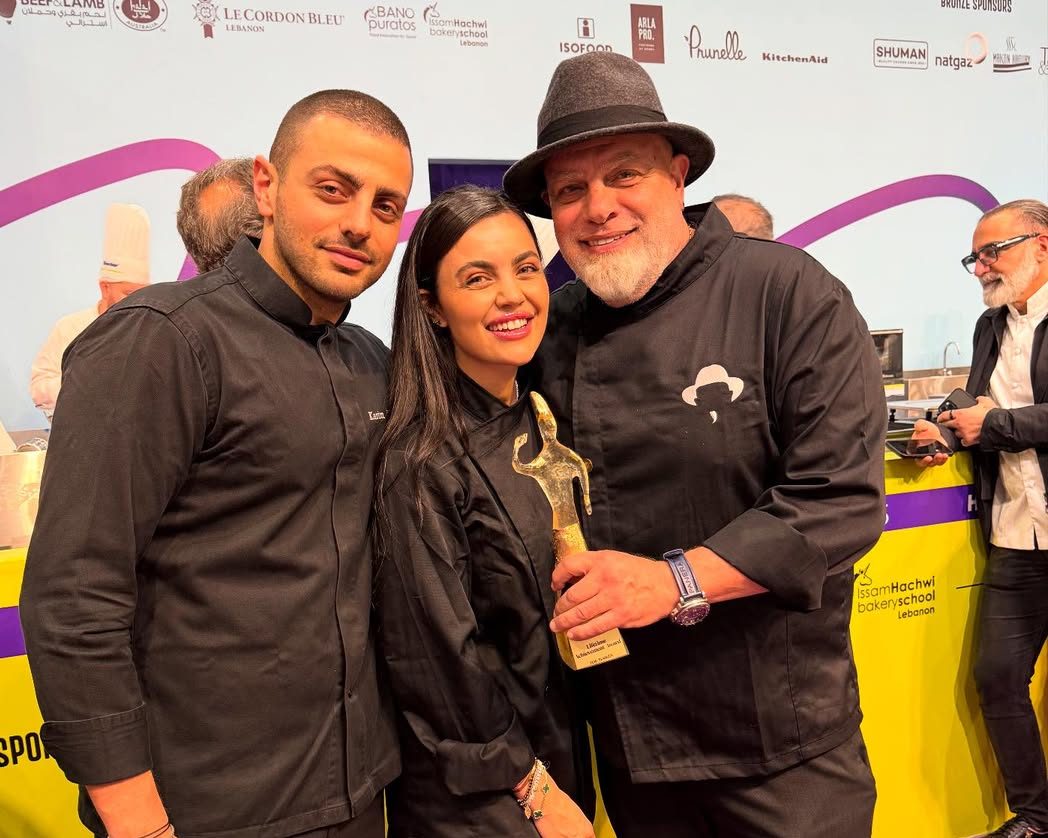
I feel very lucky. I have two children, Karim and Noura. I never forced them into this world, but both of them naturally developed a love for what I do. Each of them has their own strengths, and together we complement one another. In a way, they represent the continuation of my journey. My wife also has a real passion for cooking, so food has always been something that brings us together as a family.
Lebanon is in my blood. I truly worship it. Any place, any tree, any crowd that passes by, I enjoy being here. Everywhere I go, despite everything that is happening, it remains my favorite country. I also have a place where I escape: a village called Ain Kfayr. It’s where I built a house among the olive trees. I sit there, relax and feel completely at peace.
Lebanon is a complete experience. From the moment visitors arrive — the airport, the meeting, the chauffeur, the streets — to the restaurants, the nights, the products we have here, the trees, the mountains, the roads, even the walls — everything contributes to the experience. It’s something unique you won’t see anywhere else in the world.
I travel frequently, often on short trips. Whenever I visit a new country, I try to explore its cuisines and culinary traditions. For me, entering a kitchen anywhere in the world feels like entering my own bedroom — it’s where I feel most comfortable. But no matter where I go, I always miss Lebanon. I miss my family, my home and the feeling of being here.
Respect everyone. Early in my career, I sometimes pushed people too hard because I was still young and learning myself. Later, I had an experience where someone I knew in the kitchen had become a general manager in a project I was consulting on. That moment stayed with me. It reminded me that every role matters and everyone deserves respect. In the kitchen, teamwork is everything.
If you enjoyed reading this, check out our Interview with Lebanese restaurateur Tony Ramy.