
12
Lebanon’s Christian communities have long observed a beautiful tradition on the Thursday before Easter: visiting seven churches in one evening. Rooted in early Christian pilgrimage in Jerusalem, the ritual invites families and friends to move from one church to another, lighting candles, offering prayers and reflecting on the path of faith during Holy Week.
In Beirut, this tradition takes on a special rhythm. Within the historic fabric of the city, several churches stand within walking distance of one another, making it possible to complete the journey in a single evening. Here are seven churches in Beirut you can visit, each offering its own sense of history, architecture and spiritual reflection.
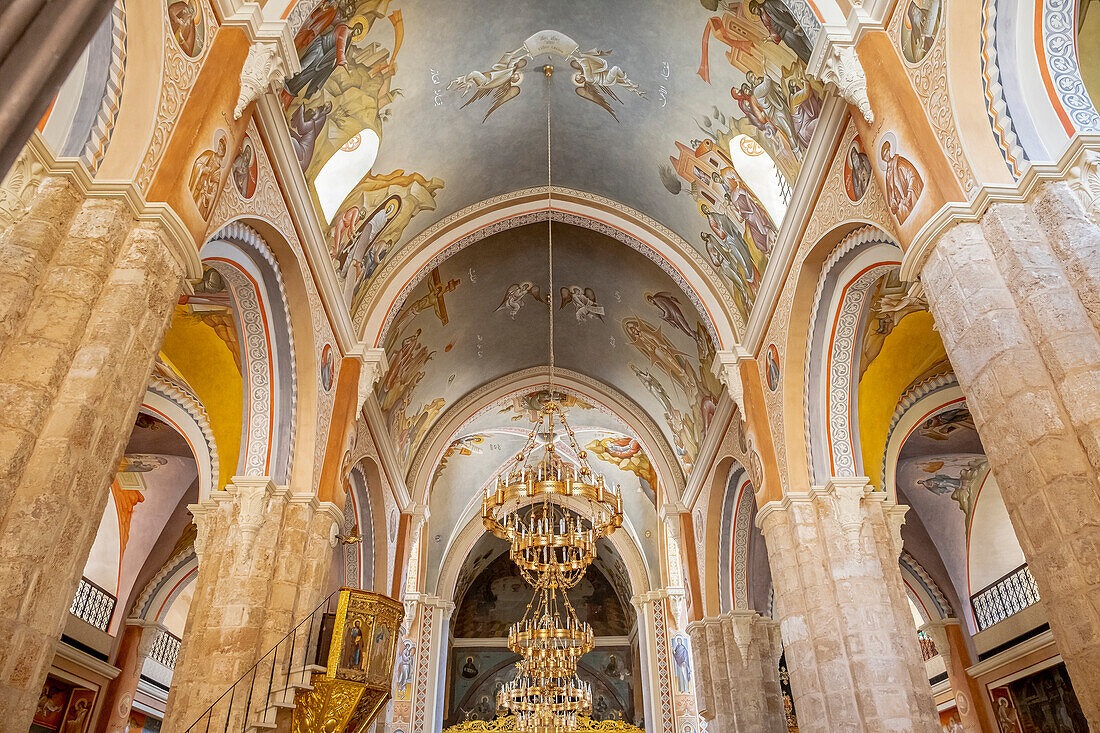
A cornerstone of Beirut’s Christian heritage, Saint George Cathedral is built atop Roman and Byzantine foundations and has endured centuries of change. Its intricate icons, historic crypts and stone walls reveal layers of the city’s past, making it an ideal stop for anyone interested in Beirut’s ancient Christian history.
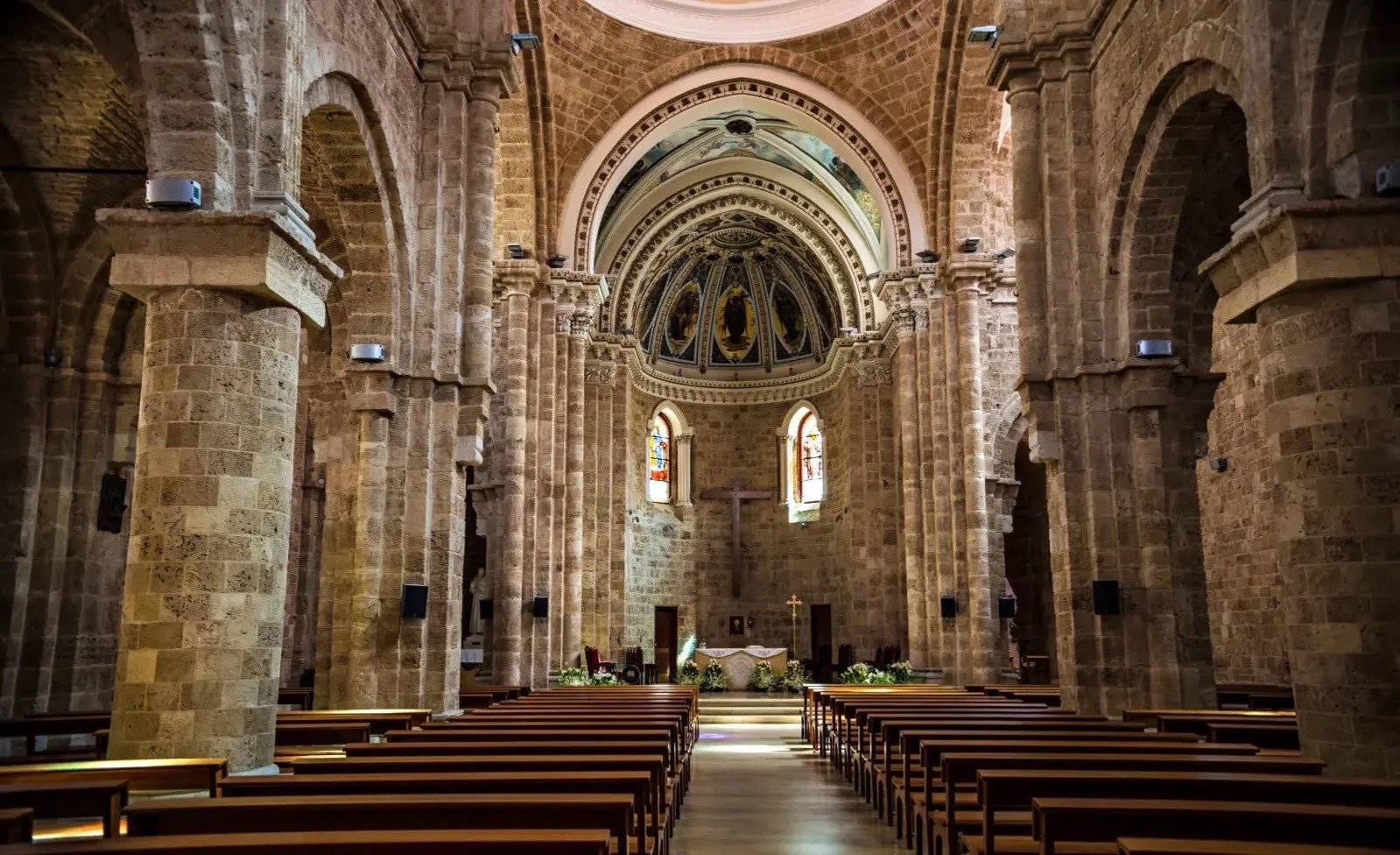
Built between 1884 and 1894, this cathedral draws inspiration from Rome’s Basilica di Santa Maria Maggiore. Located in the heart of downtown Beirut, it stands beside the Mohammad Al-Amin Mosqueforming one of the city’s most striking symbols of coexistence. Inside, high vaulted ceilings, ornate marble details and soft candlelight create a calm and relaxing atmosphere that feels removed from the bustle outside. It is a natural starting point for the evening, both geographically and spiritually.
Constructed in 1864 and named after King Louis IX of Francethis cathedral stands out for its warm sandstone façade and understated elegance. Tucked into the lively Bab Idriss area, it offers a quiet pause amid the city’s movement. Its simple interior, filtered light and intimate scale create a reflective space that feels personal and grounded, ideal for a moment of stillness during the evening’s journey.
With its white brick exterior, red tiled roof and prominent clock tower, this cathedral is instantly recognizable. It reflects Beirut’s Armenian heritage and the community’s enduring presence in the city. Inside, the space feels both grand and welcoming, with architectural details that differ subtly from other churches on the route. It is a meaningful stop that highlights the diversity of Christian traditions in Beirut.
Located near Nejmeh Square, this cathedral is admired for its elegant proportions and serene interior. Its soft lighting, detailed iconography and balanced architecture create a sense of harmony that draws visitors in. During Holy Week, it becomes especially vibrant yet remains deeply peaceful, offering a space where tradition and quiet contemplation meet in the heart of the city.
A historic Protestant landmark, this church is characterized by its simple stone architecture and understated beauty. Damaged in the Beirut port explosion and later restored, it stands today as a symbol of resilience and renewal. Its open and light filled interior offers a different kind of spiritual experience, less ornate but equally moving, making it an important and reflective stop along the route.
Serving the Armenian Orthodox community, St. Nishan offers a quieter and more intimate atmosphere compared to some of the larger cathedrals nearby. Its modest scale, warm interior tones and sense of stillness make it particularly suited for a final pause in the evening. It is a reminder of the many communities that shape Beirut’s identity and of the shared traditions that connect them.
Optional: You can also visit the beautiful St. Maron Church In nearby Saifi, extending your route slightly while staying within the same historic area.
If you enjoyed reading this, check out our Google Maps for more religious sites around Lebanon.