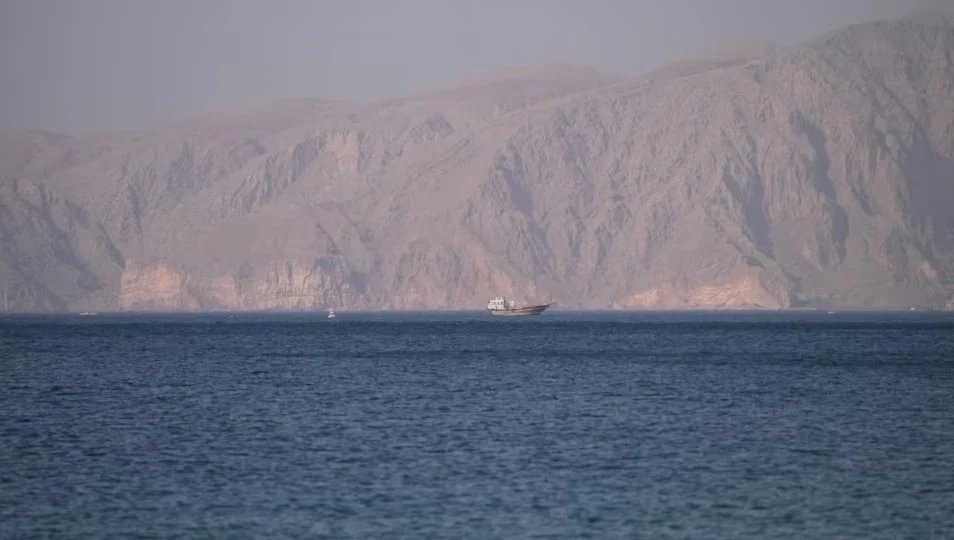
Saudi Arabia is facing a significant increase in the cost of exporting its oil to Asian markets, after crossing the Straits of Hormuz and Bab al-Mandab has become fraught with danger, which prompts it to rely on the Suez Canal and then circumvent the continent of Africa.
This comes after Yemen approved a ban on maritime navigation on Saudi Arabia and imposed the equation of a siege with a siege, which was followed by the return of ships to their destinations following warnings issued by the Yemeni armed forces to implement the ban decision.
Although Saudi Arabia previously used the Suez Canal route to export some of its oil shipments, it has not relied on it as a major outlet for decades.
The export equation today is different from what it was during the 1970s and 1980s, when most buyers of Saudi oil were in Europe and the United States, as the majority of imported markets are now located in Asia.
The duration of the trip increases from 19 to 48 days
The oil tanker’s journey from the Saudi port of Yanbu on the Red Sea to Taiwan via the Bab al-Mandab Strait takes only 19 days.
When taking the route of the Suez Canal, the Mediterranean Sea, and the Strait of Gibraltar, and then circumventing the Cape of Good Hope, the journey duration increases to 48 days, according to shipping data issued by the “Kepler” company and the London Stock Exchange Group.
Thus, the tanker spends about an additional month at sea to reach Asian markets.
$2.5 million additional cost
The long trip raises the fuel costs of one tanker from $1.26 million to about $2.87 million, according to calculations conducted by Reuters based on data from the London Stock Exchange Group.
In addition, about $1 million in transit fees for the Suez Canal, bringing the total additional cost of the trip to approximately $2.5 million.
Saudi Arabia has transferred most of its oil exports from the Gulf to the Red Sea, after shipping traffic through the Strait of Hormuz was disrupted since the outbreak of the American war on Iran last February.
However, the Yemeni forces’ targeting of two oil tankers in the Red Sea this week raised the risks of using this alternative route, and pushed Saudi Arabia towards relying on the Suez Canal.
“SUMED” to bypass the restrictions of the Suez Canal
According to Energy Aspects, large oil tankers will be forced to cross the Suez Canal with half their load, due to restrictions imposed on ship loads, before completing their loading in the Mediterranean Sea.
To achieve this, Saudi Arabia can unload part of the tanker load into the “SUMED” pipeline, which extends 320 kilometers and bypasses the Suez Canal by linking the Ain Sukhna station on the Red Sea to the city of Sidi Kerir on the Mediterranean Sea.
The line’s capacity reaches 2.5 million barrels per day, out of Saudi Arabia’s total oil exports, which amount to about 7 million barrels per day.