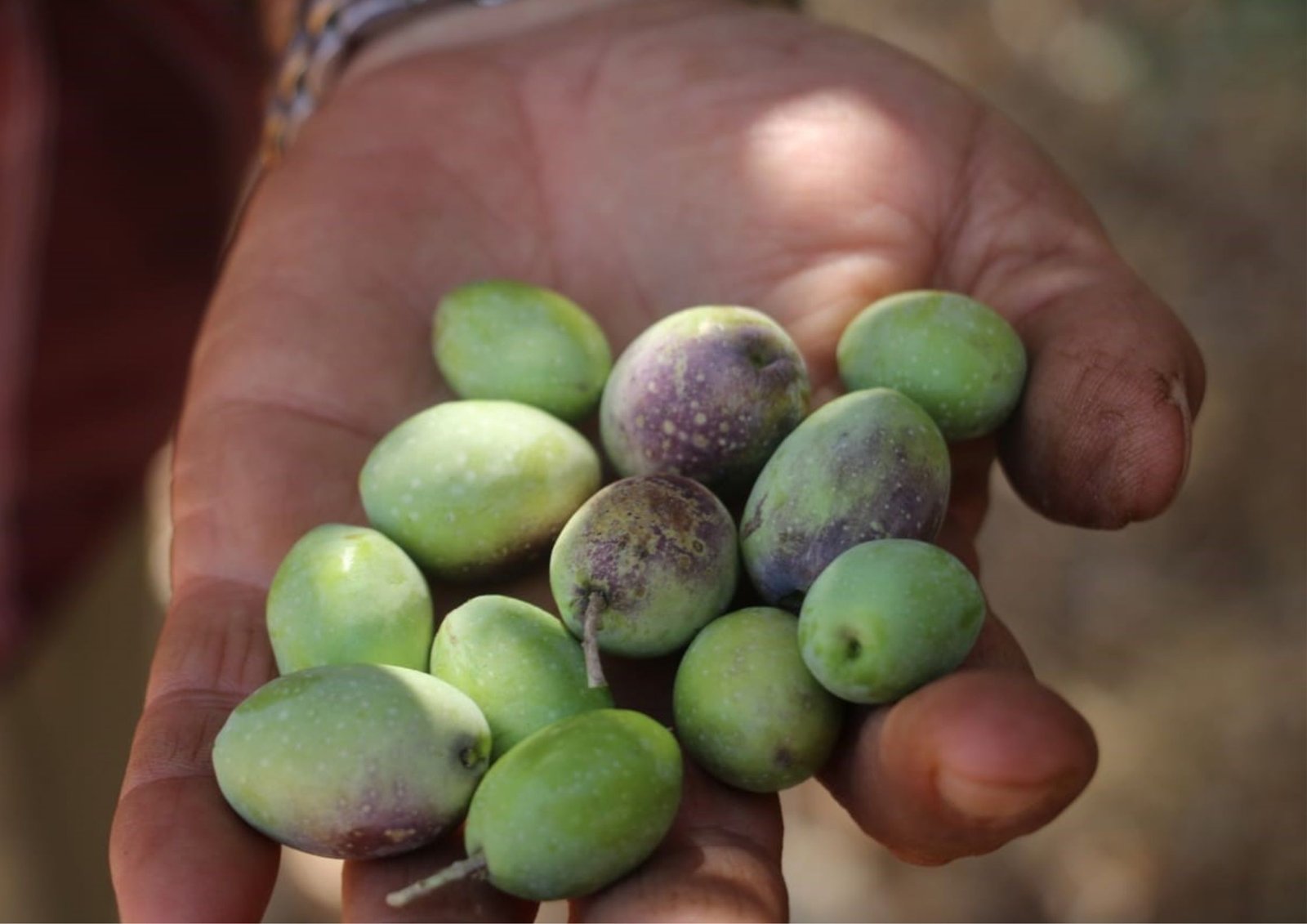
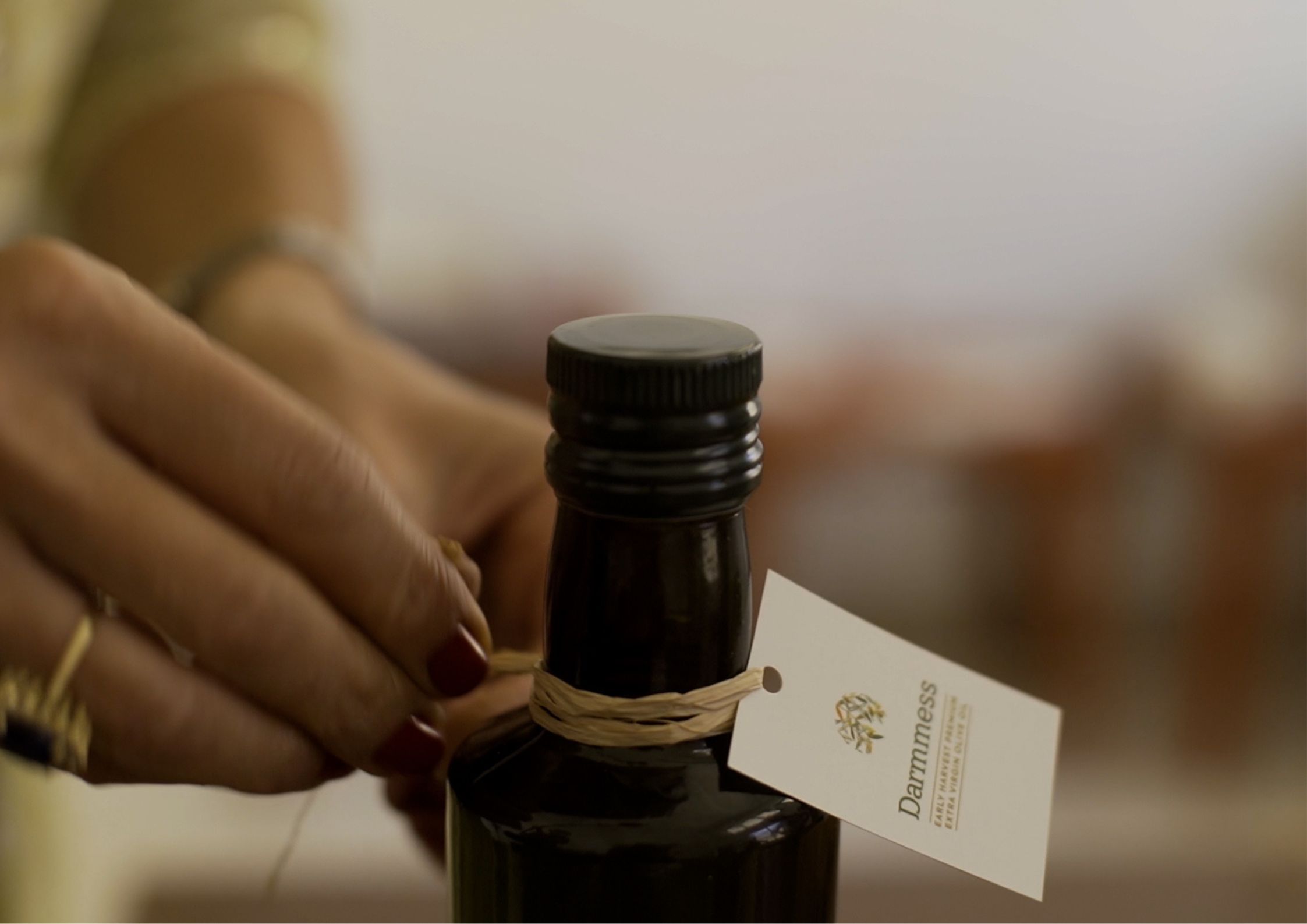
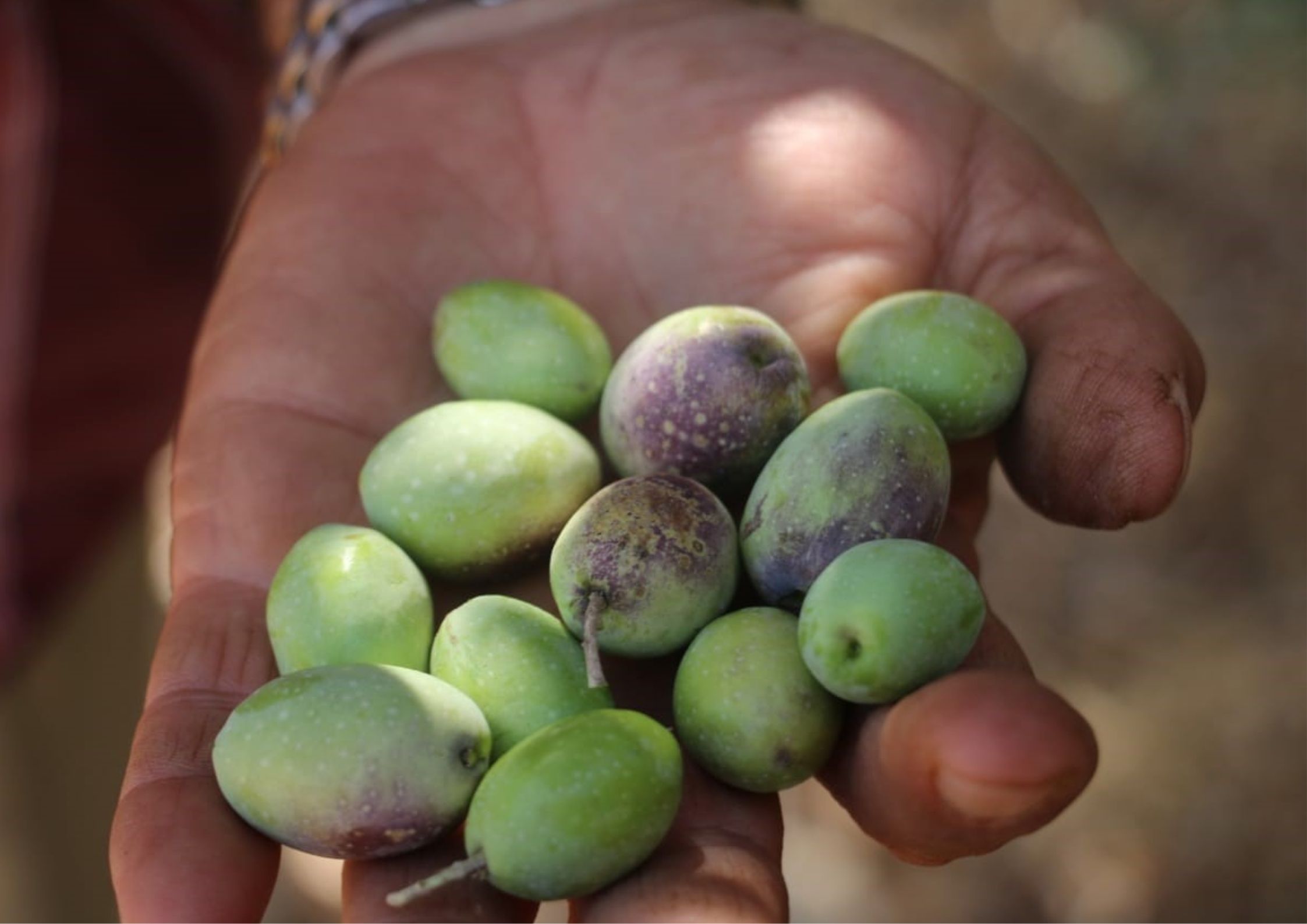
At the heart of Darmmess It is a simple yet radical idea, that olive oil should tell the story of where it comes from. Each bottle is fully traceable to its village and terroir, made exclusively from the indigenous Souri olive variety, and never blended across regions. The result is not just a product but an expression of place, distinct in aroma, taste and identity.
Yet behind this philosophy lies a much more urgent reality. In recent years, South Lebanon has faced mountain challenges, from economic collapse to ongoing instability along the southern border. Since 2023, daily life in villages like Deir Mimas has been marked by uncertainty. Farmers continue to tend to their groves and harvest their olives, often under conditions that are anything but secure.
This tension creates an ongoing dilemma, to stay, despite the risks, or to leave in search of stability. Some have stepped away temporarily, while others remain, committed to protecting what generations before them have built. In this context, olive oil production becomes more than agriculture, it becomes an act of resilience.
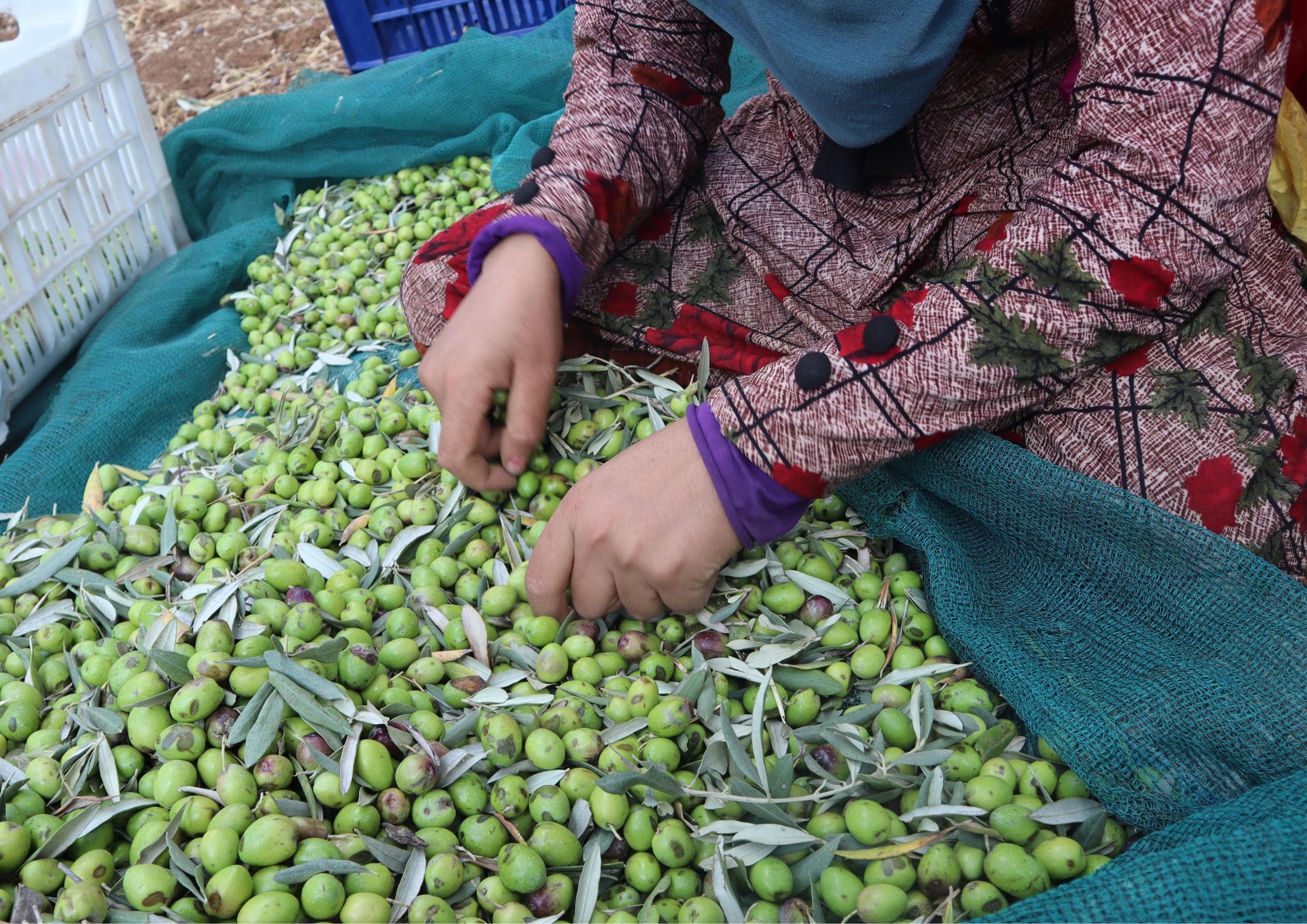
Darmmess operates within this fragile ecosystem, working closely with 15 to 20 farmers across these villages. Through these partnerships, the harvest season supports around 1,000 seasonal workers, in addition to a core team largely made up of women and young people. Beyond direct employment, an entire network, from press operators to transporters, relies on the success of each harvest.
Despite immense obstacles, including the loss of equipment due to conflict, the enterprise has continued to grow. Today, Darmmess reaches international markets across 15 countries and has earned 25 global awards, including multiple gold medals at prestigious competitions in 2026. Yet for Bechara PeriniRecognition is not the end goal, it is a means to amplify the voices of the farmers and the value of their land.
The mission remains clear, to protect heritage, sustain rural communities and ensure that the value of these exceptional terroirs returns to the people who farm them. Because in South Lebanon, olive oil is never just olive oil. It is continuity. It is identity. It is a quiet form of resistance.
And for those who choose to support it, by seeking out authentic, traceable oils, by asking where they come from and by sharing their stories, it becomes something more, a gesture of solidarity with communities whose roots run just as deep as the trees they care for.
If you enjoyed reading this, check out our article on the community souk of Souk El Tayeb.