
57.9K
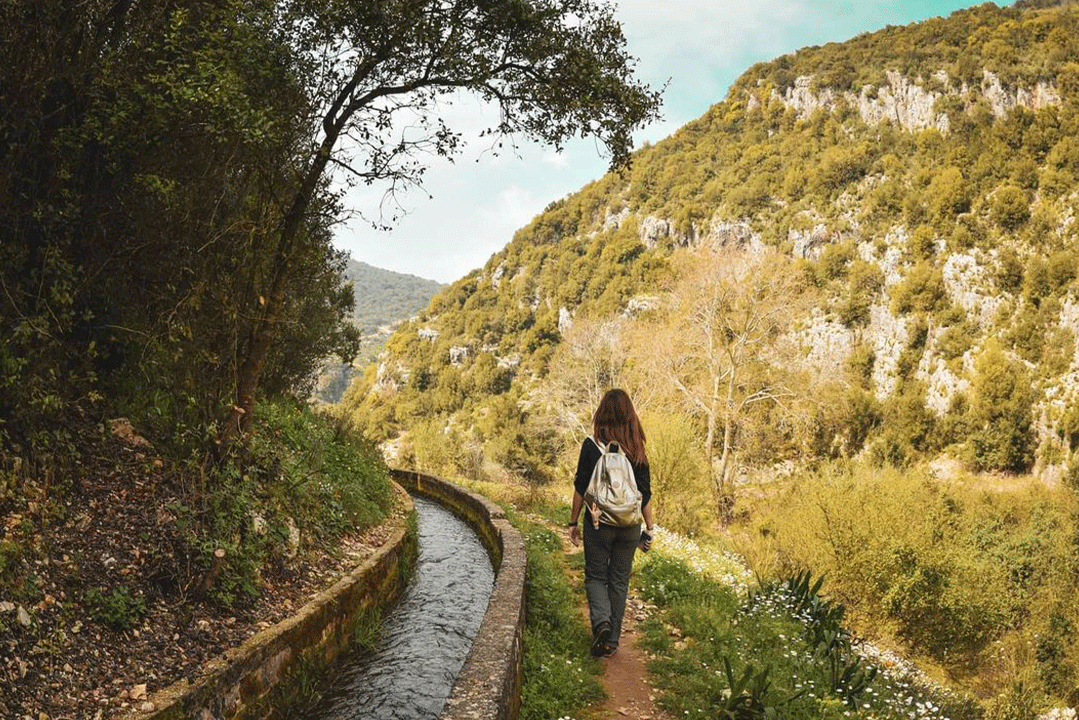
Uncover the diverse hiking routes that wind through Batroun’s breathtaking landscapes, leading you to hidden treasures. From coastal paths to mountain trails, this region offers some of the most spectacular hiking experiences in Lebanon.
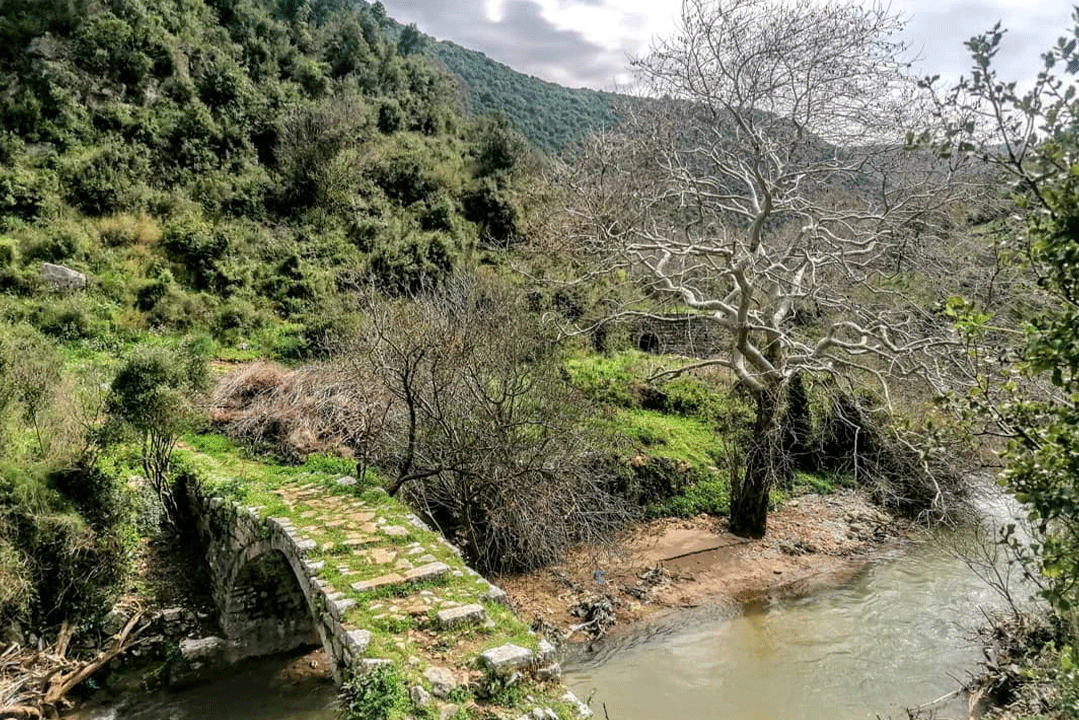
Discover the beauty of the Nahr el Jouz Trail. Linking the coast to the mountains, the moderately challenging trail stretches for 70 km and can be accessed either from Mseilha Castle or along the coast, all the way up to the snowy peaks. Along the way, hikers are rewarded with breathtaking mountain and valley views, lush greenery and a meandering river. The trail’s length is flexible and perfect for nature lovers and photographers eager to explore its unique features, including waterfalls and diverse flora and fauna.
Bchaaleh Trails offer a unique integration of wild, agricultural and rural heritage landscapes in a traditional Lebanese village, rich in natural, archaeological and historical. This destination is ideal for nature and adventure enthusiasts seeking immersive hiking experiences. The network includes seven trails forming a loop around the village, leading to its most notable attractions. Among them is the Olive Route, which takes you to the Millennial Olive Trees of Bchaaleh, also known as Noah’s Olive Trees. This iconic site is an LMT side trail known as Noah’s Olive Trail. Spanning over 13 kilometers with 300-meter drops, this thematic trail presents an exciting challenge for hikers. With multiple routes of varying difficulty and length, the network caters to all ages, groups and fitness levels.
Hikers can also follow a trail from Bchaaleh to the nearby village of Douma. This route traces an old trade path known as Mahkameh, passing through Douma’s historic souks, its olive press and a footpath leading to the stairs of Sikket el Sham before looping back to Bchaaleh. What sets Bchaaleh Trails apart is the blend of rich history and natural tranquility. These paths connect hikers to the region’s past while offering a peaceful escape in nature’s heart.
In Tannourine, hiking becomes something quieter, deeper — a journey through one of Lebanon’s oldest cedar forests, where time seems to slow beneath towering trees and shaded valleys. The reserve offers a range of trails that vary in length and difficulty, making it accessible whether you’re in the mood for a short walk or a more demanding hike. Some paths are gentle and easy, leading to scenic viewpoints overlooking valleys dotted with monasteries, while others wind deeper into the forest, circling through dense cedar groves, maple and oak trees, and seasonal wildflowers. One of the most immersive routes takes you across the entire forest in a loop, revealing some of the oldest cedars in Lebanon along the way. For those looking for a bit more challenge, longer trails stretch beyond the reserve, connecting surrounding villages and landscapes.
Among them, the Hermitages Trail stands out for its unique character. As you descend through the valleys, you come across secluded hermitages carved into the rock, a reminder of the region’s spiritual and historical depth. Other routes link Tannourine El Tahta to nearby villages like Wata Houb and Chatine, passing old watermills, presses and traces of rural life that still shape the area today.
For more experienced hikers, trails climbing towards Ras Ebniya and the dramatic Ribaz cliffs offer a more rugged experience, with sweeping views and striking natural formations.
What makes Tannourine truly special is not just the variety of its trails, but the feeling of walking through a landscape that has remained unchanged for centuries — where nature, history, and silence come together.
—————————————————————————————————————————————————-
If you liked reading this, check our article on geotrails in Lebanon.