
[“The following copyrighted article is shared
with permission, and courtesy of theartpulse.com”]
Source link
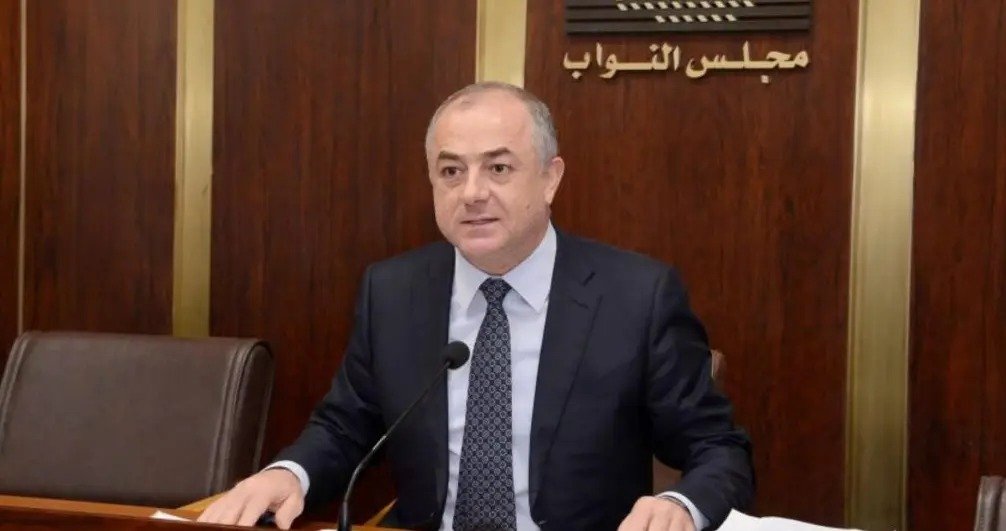
The joint parliamentary committees held a session in the Parliament, headed by Deputy Speaker of the House of Representatives Elias Bou Saab, who subsequently said: “Today we held the third meeting dedicated to studying the proposal for a general amnesty law, and since we began studying it, we have received many communications from citizens, institutions, and associations, and we have been taking into account all the matters that are being reported.”
He added: “I held a meeting today with Mrs. Nemat Aoun, who heads the National Commission for Lebanese Women, and there are some women in prisons. There was a special interest in studying the situation of women inmates in prisons that are not equipped and not suitable for women and men alike. The First Lady was briefed on the law that we are studying and listened to the observations and opinions of the Commission. Today we held this meeting, and after an extensive discussion of general matters, we entered into differentiation, that is, amending the necessary reasons, and the Chairman of the Management Committee was assigned And Justice Representative George Adwan, Representative Melhem Khalaf, and the representatives who submitted this proposal and made amendments to the positive reasons, and they agreed on new positive reasons that would be decided upon by the end of the law’s approval.”
He continued: “Then we moved to the articles, and the first article related to excluded murder crimes was approved, and the law does not include an amnesty for killers, and we approved the first article, which stipulates the use of the methodology that says “general amnesty” and those who are excluded from it. We arrived at the second article related to those excluded from the general amnesty, the crimes that were referred to the Judicial Council, and we touched on the issue of premeditated or intentional killing and all crimes related to the terrorism law, including the killing of civilians and military personnel, whether judgments were issued or not. It is issued, then the issue of crimes related to treason or espionage and crimes related to illegal connections with the enemy, and no one wants to exempt crimes of treason or related to communicating with the enemy, and a problem has been raised that has existed since the year 2000, for those who left Lebanon and went to the occupied territories, and there is a law for which no implementing decrees were issued, so we asked the Ministry of Justice to do so, but today no one is going to exempt an agent or anyone who communicated with the Israeli enemy, and it is out of the question that we would approve an amnesty for these people, i.e. Communicate with the enemy, and other outstanding matters are related to the issue of drugs. There is a law that addressed the issue in 2011, but to date the Ministry of Justice has not issued its implementing decrees, so we asked the Minister of Justice to work on issuing them.”