[“The following copyrighted article is shared
with permission, and courtesy of theartpulse.com”]
Source link
1.1K
Through a collaboration between UNESCO Beirut and Lebanon’s Ministry of Culture, some of the country’s most important museums and archaeological sites can be explored virtually.
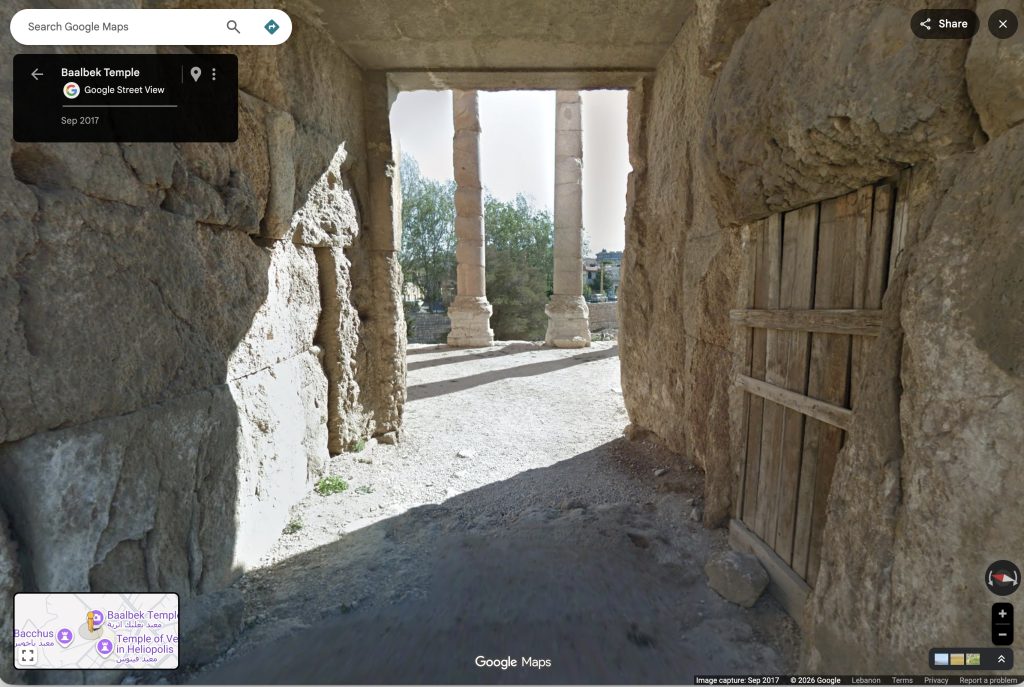
Located in the Beqaa Valley, Baalbek It is known for its large-scale Roman temple complex. The site includes the Temple of Bacchus and Temple of Jupiterboth recognized for their size and level of preservation. Built over earlier settlements, Baalbek reflects different historical periods, particularly during Roman rule. Explore Baalbek here.
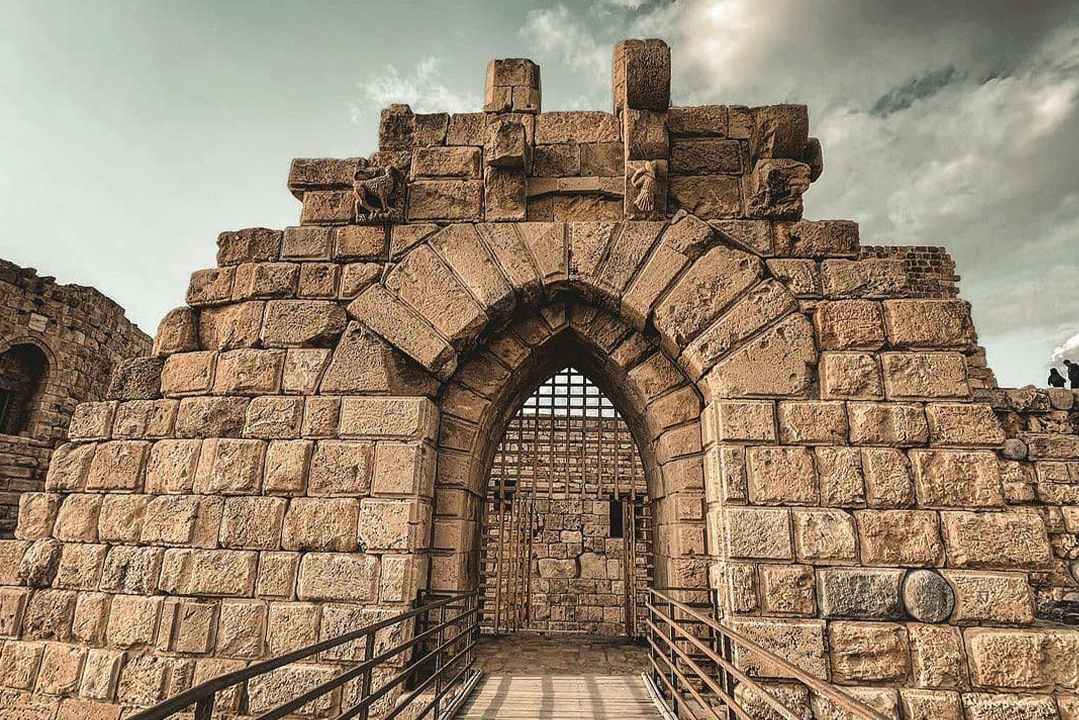
Beaufort Castle It is a Crusader-era fortress located in southern Lebanon, overlooking the Litani River. Its elevated position made it a strategic military site, and it changed hands multiple times throughout history. The structure’s layout and defensive features reflect the military architecture of the period. Explore Beaufort Castle here.
Byblos It is considered one of the oldest continuously inhabited cities in the world. The site includes Phoenician ruins, a Crusader castle and other notable treasures from the past. Historically, Byblos was an important port city and played a role in the development and spread of the Phoenician alphabet. Explore Byblos here.
The National Museum of Beirut is home to a vast collection of artifacts that date from the prehistoric to medieval periods. Its exhibits include sarcophagi, mosaics and sculptures representing different civilizations that passed through Lebanon. The museum was restored after sustaining damage during the civil war. Explore the National Museum of Beirut here.
Mseilha Castle in North Lebanon It is an 18th-century fortress built during the Ottoman period. Positioned on a narrow limestone ridge, it was used to control movement through the surrounding valley. Its structure reflects practical military design adapted to the terrain. Explore Mseilha Castle here.
Connected to the mainland by a causeway, Saida’s famous sea castle served as a defensive structure for the city’s port. Parts of the castle were constructed using materials from earlier sites. Explore Saida Sea Castle here.
The Tire AlBass Archaeological Site It is known for its Roman necropolis, which includes a long funerary road lined with stone sarcophagi. The site also features a large Roman hippodrome. These elements provide insight into burial practices and public life during the Roman period. Explore the Tire Al Bass here.
The Tire archaeological site includes remains from Phoenician and Roman periods, such as roads, colonnades, and mosaics. Tire was historically a major maritime city known for trade and the production of purple dye. Explore the Tire City Site here.
If you liked reading this, check out our article art galleries to discover in Beirut.